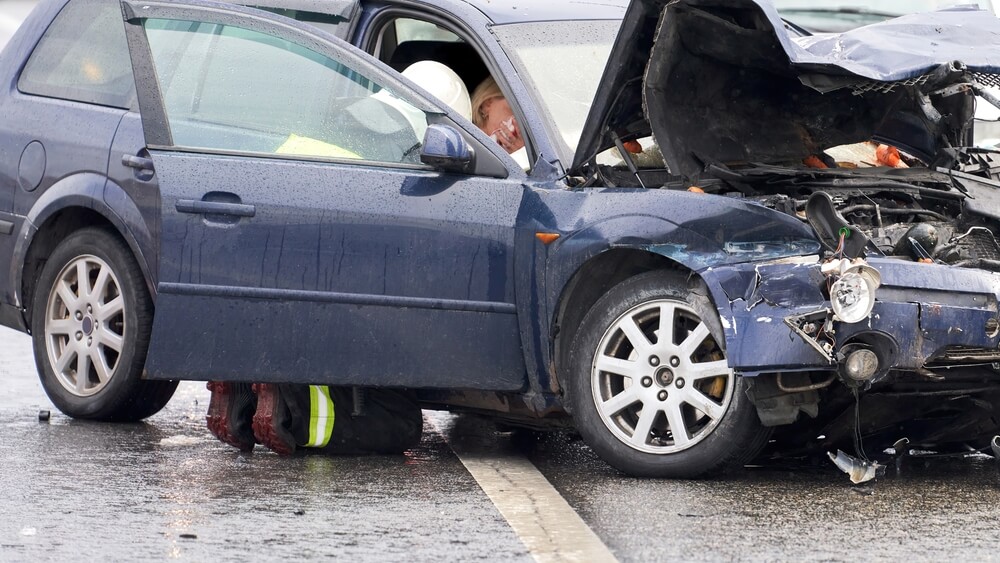
Legal Options for Passengers Injured in an Atlanta Car Accident
The experience of being a passenger in a car crash is uniquely jarring. You place your safety in the hands of the driver, whether it is a friend, a family member, or a rideshare operator. In one terrifying moment on a busy Atlanta street like Ponce de Leon Avenue or on the Downtown Connector, that sense of security is shattered. In the aftermath, amid the confusion and pain, a pressing question arises: What are my rights? As a passenger, your legal standing is distinct from that of a driver, and knowing your options is the first step toward recovery.
Navigating the complexities of a personal injury claim can be a significant burden when you should be focused on healing.
Why is an Injured Passenger’s Claim Different?
Unlike the drivers involved, an injured passenger is almost never considered at fault for a car accident. You were not operating either vehicle and had no control over the circumstances that led to the collision. This fundamental fact simplifies one aspect of your claim while complicating another.
The element of comparative negligence, a Georgia law that can reduce an injured party’s compensation if they are partially to blame for the accident, typically does not apply to a passenger. The central issue for you is not proving your own lack of fault, but rather identifying which driver was negligent and, consequently, which insurance policies are responsible for covering your damages. This often means you have multiple potential avenues for financial recovery.
Who Can an Injured Passenger Hold Liable for Compensation?
Because a passenger is an innocent victim, the law allows you to seek compensation from any party whose negligence contributed to the crash. A thorough investigation may reveal that one or more parties are responsible for your injuries.
Potential liable parties include:
- The Driver of the Other Vehicle. If the driver of another car ran a red light, was texting, or was otherwise negligent, their liability insurance is the primary source for your compensation.
- The Driver of the Car You Were In. If your driver—the “host driver”—was speeding, following too closely, or made a poor decision that caused the wreck, you have a right to file a claim against their insurance policy.
- Both Drivers. In many Atlanta accidents, particularly at busy intersections, both drivers may share some degree of fault. In such cases, a passenger may be able to file claims against the insurance policies of both drivers.
- A Third Party. Sometimes, the fault lies with an entity that was not even at the scene. This could be a government agency responsible for a dangerous road design, a vehicle manufacturer whose brakes failed, or a commercial establishment that over-served a drunk driver.
What Are the Primary Sources of Recovery for an Injured Passenger in Georgia?
Identifying all available insurance coverage is a vital task in a passenger injury case. You may be entitled to compensation from several policies, and an experienced attorney can help uncover every potential source.
At-Fault Driver’s Liability Insurance: Georgia is an “at-fault” state, which means the driver who causes an accident is responsible for the damages. Your first claim will typically be against the bodily injury liability coverage of the at-fault driver or drivers.
Medical Payments (MedPay) Coverage: This is a type of no-fault insurance that covers medical bills up to a certain limit, regardless of who caused the accident. You may be able to access MedPay coverage from the policy of the car you were riding in or from your own auto insurance policy, if you have one.
Uninsured/Underinsured Motorist (UM/UIM) Coverage: This is an exceptionally important, and often overlooked, source of recovery. If the at-fault driver has no insurance or not enough insurance to cover your extensive injuries, you can turn to UM/UIM coverage. As a passenger, you may be able to access this coverage from multiple sources:
- The policy of the car you were in (the host vehicle).
- Your own auto insurance policy, even though your car was not involved.
- The policy of a resident relative (such as a parent or spouse you live with).
UM/UIM insurance is designed to protect you in these exact situations. An attorney can help determine how these policies “stack” or combine to provide the maximum possible coverage for your injuries.
What Types of Compensation Can a Passenger Recover?
A successful personal injury claim allows you to recover compensation, known as damages, for the full scope of your losses stemming from the accident. These damages are generally categorized into two types.
Economic Damages: These are tangible financial losses that can be calculated and proven with bills, receipts, and financial records.
- Past and Future Medical Expenses: This includes everything from the initial ambulance ride and emergency room care at a facility like Grady Memorial Hospital to surgery, hospitalization, physical therapy, prescription medications, and any long-term care you may require.
- Lost Wages: Compensation for the income you lost while unable to work during your recovery.
- Loss of Future Earning Capacity: If your injuries are permanent and prevent you from returning to your previous job or diminish your ability to earn a living, you can be compensated for this future financial loss.
Non-Economic Damages: These are intangible losses related to the impact the injuries have had on your life.
- Pain and Suffering: Compensation for the physical pain and emotional distress caused by your injuries.
- Mental Anguish: Damages for anxiety, depression, post-traumatic stress disorder (PTSD), or other psychological impacts of the traumatic event.
- Loss of Enjoyment of Life: If your injuries prevent you from participating in hobbies, activities, or life experiences you previously enjoyed.
- Permanent Scarring or Disfigurement: Compensation for the physical and emotional effects of permanent changes to your appearance.
What if the Driver of My Car Was a Friend or Family Member?
This is perhaps the most common and difficult emotional hurdle for an injured passenger. The thought of filing a claim against a friend or loved one can be incredibly uncomfortable. However, it is important to reframe the situation: you are not pursuing a claim against your friend personally; you are seeking compensation from their insurance company.
This is precisely why we all are required to carry automobile insurance—to protect our assets and to provide a source of recovery for anyone injured due to our actions, especially those we care about. Refusing to file a claim out of loyalty can have devastating consequences. If you are left with tens of thousands of dollars in medical debt from a serious injury, it creates a far greater strain on you and your relationships than filing a legitimate insurance claim ever could.
What if I Was Injured as a Rideshare Passenger in an Uber or Lyft?
Accidents involving rideshare vehicles have their own set of rules. Companies like Uber and Lyft carry substantial insurance policies to cover passengers, but when this coverage applies depends on the driver’s status at the time of the collision.
If you are injured while on a trip as a passenger in an Uber or Lyft, you are typically covered by the company’s $1 million commercial insurance policy. This policy covers your injuries if your rideshare driver was at fault or if the other driver was at fault but is uninsured or underinsured. Navigating a claim with a large corporation like Uber or Lyft requires knowledge of how these specific policies work.
What Steps Should a Passenger Take Immediately After an Accident in Atlanta?
The actions you take in the immediate aftermath of a crash can protect both your health and your legal rights.
- Prioritize Your Health. Call 911 immediately. Accept evaluation from paramedics and go to the emergency room, even if you think your injuries are minor. Adrenaline can mask symptoms of serious conditions like internal bleeding or a concussion. This also creates the first official medical record linking your injuries to the accident.
- Report the Accident. Ensure a police report is filed. The responding officer will document the scene and gather preliminary information. Stick to the facts you know and avoid speculating on who was at fault.
- Gather Information. If you are able, get the names, contact details, and insurance information from all drivers involved in the wreck.
- Identify Witnesses. Ask any bystanders who saw the accident for their names and phone numbers. Their independent testimony can be very valuable.
- Document Everything. Take photos and videos of the accident scene, vehicle damage, road conditions, and any visible injuries you have.
- Decline Recorded Statements. You will likely receive a call from an insurance adjuster very quickly. Politely decline to provide a recorded statement or sign any documents until you have spoken with an attorney. Their goal is to limit their company’s liability, not to protect you.
How Can Insurance Companies Complicate a Passenger’s Claim?
Even though you are an innocent victim, securing fair compensation is not always straightforward. Insurance companies may use several tactics to minimize what they have to pay.
- Blaming Each Other: If both drivers may have been partially at fault, their insurance companies might point fingers at each other, creating a stalemate that delays payment on your claim.
- Disputing Your Injuries: An adjuster might argue that your injuries were caused by a pre-existing condition or that you are exaggerating your pain.
- Offering a Quick, Low Settlement: An insurer may offer a fast settlement before the full extent of your injuries and future medical needs are known. Accepting this offer closes your claim permanently, even if you later discover your injuries are more severe.
- Delaying Tactics: Some companies will intentionally drag out the process, hoping you will become frustrated and accept a lower amount than you deserve.
Navigating Your Path to Recovery
As a passenger injured in a car accident, you have clear rights, but the path to securing fair compensation can be filled with obstacles. The process of identifying all at-fault parties and layering various insurance policies requires detailed investigation and a firm command of Georgia personal injury law. The legal team at Miller Injury Trial Law is committed to building the strongest possible case for accident victims in Atlanta. We meticulously investigate every detail to construct a clear and compelling claim for causation and damages. Your energy should be focused on your physical and emotional recovery; allow us to handle the legal fight.
If you were injured as a passenger in an Atlanta car accident, contact Miller Injury Trial Law today at 855-44MILLER for a free, no-obligation consultation. Our team is ready to listen to your story and explain your legal options so you can make an informed decision about your future.